
Know Your Camelids!
My Favorite Andean Fluffies and a Guide to Buying Their Wool

I have always loved traveling the Andean regions, so rich in culture, history, and breathtaking landscapes. But my heart turns into mush when I encounter those funny-faced animals with their soft fur. It inspired me to buy myself the perfect baby alpaca sweater.
Here is the advice I wish somebody had given me when I visited the markets of Ecuador and Peru.
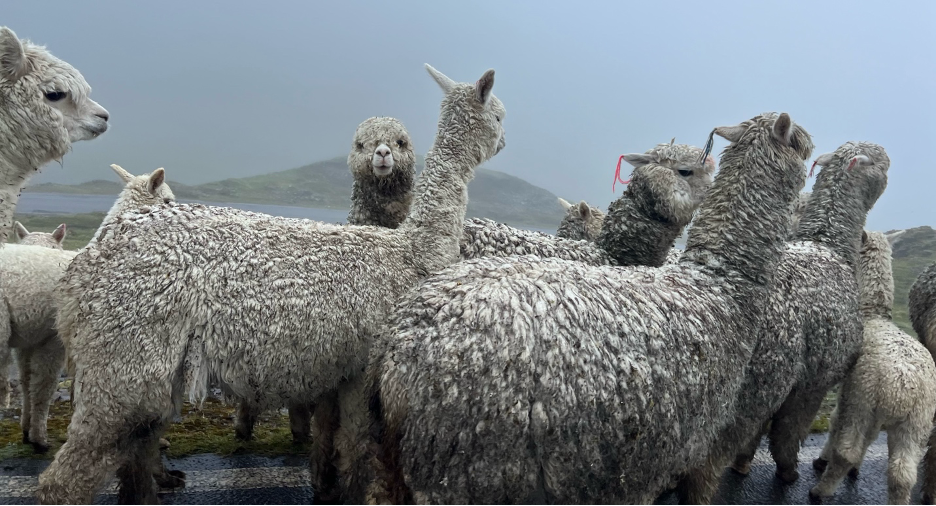
There are lamas, alpacas, guanacos, and vicuñas. They have distinct differences in terms of physical characteristics, habitat, and domestication.
Llamas are domesticated pack animals but have been largely replaced by motorcycles. Today one sees few of them. Their wool is coarse, not suited for fine textiles. Larger than alpacas, they are notorious for their unpleasant habit of spitting. They are used for their meat and hides.
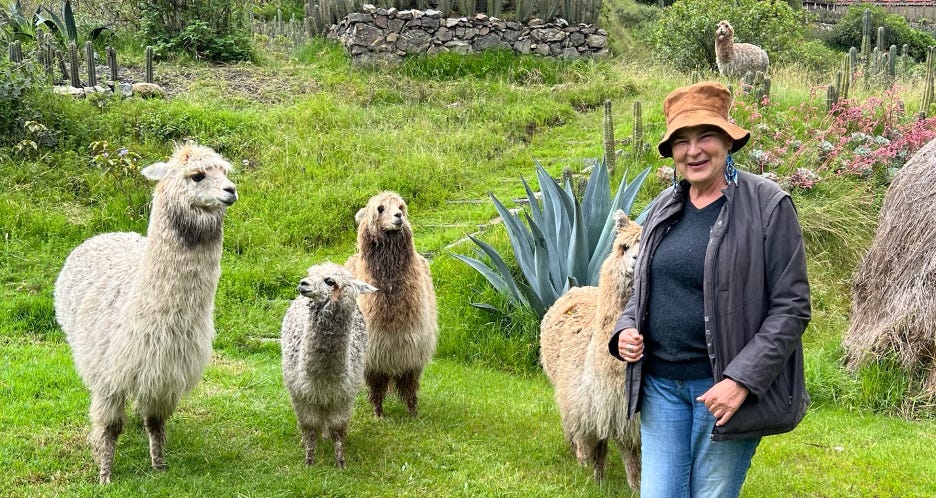
Alpacas are primarily bred for their wool, used in textiles. Their wool is highly valued for its softness, fineness, and variety of natural colors. People often confuse alpacas with lamas, although they are smaller. Huacaya and Suri are the two main types of alpacas. They produce distinct types of wool. Baby alpaca wool is not taken from lambs but from the first shearing of juvenile animals.
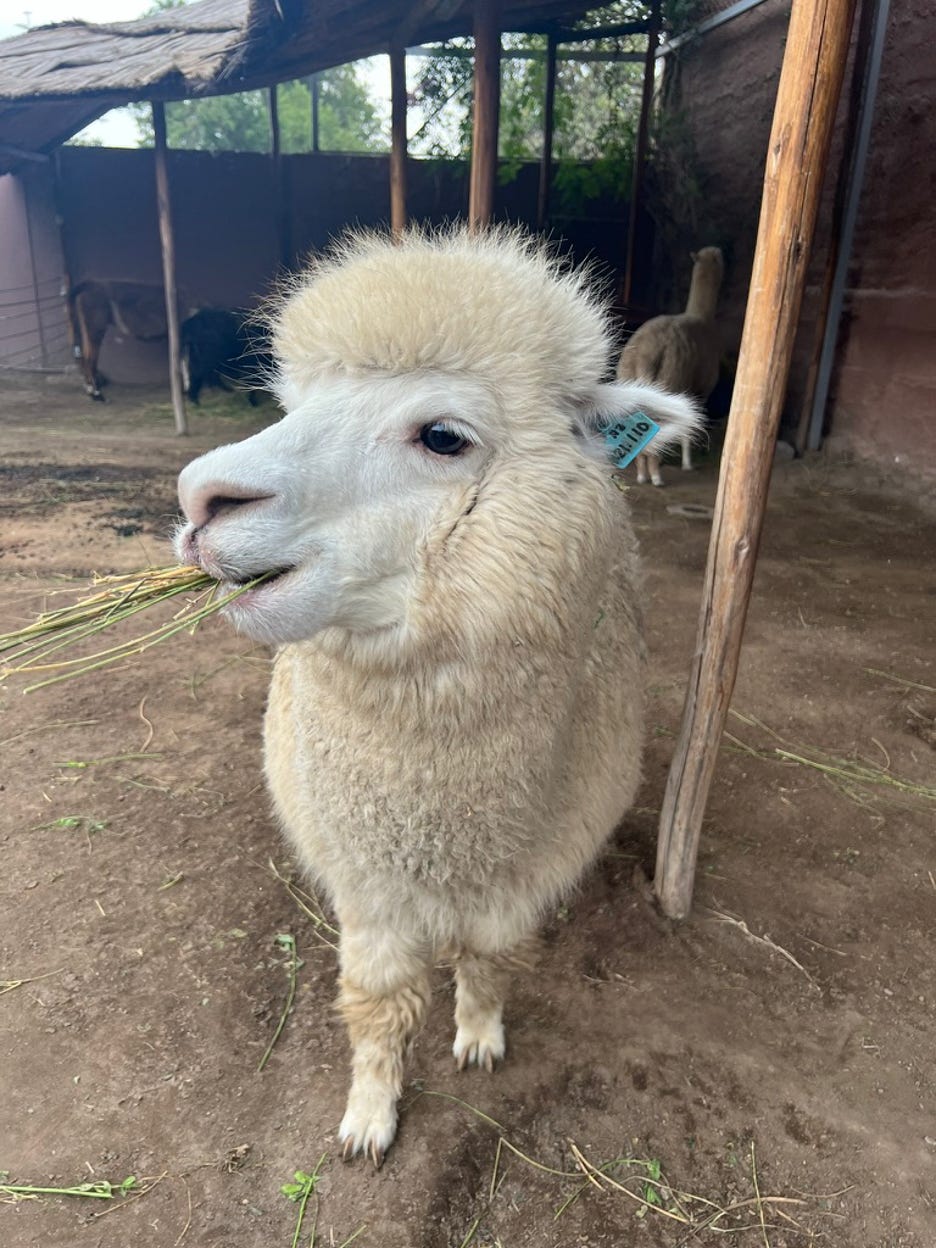
Huacayas have a teddy bear-like look with dense, spongy fleece that stands perpendicular to the body. The elasticity and loft of Huacaya wool make it ideal for knitwear, such as sweaters, hats, scarves, and other garments where warmth and softness are desired. Animals are typically shorn once a year.
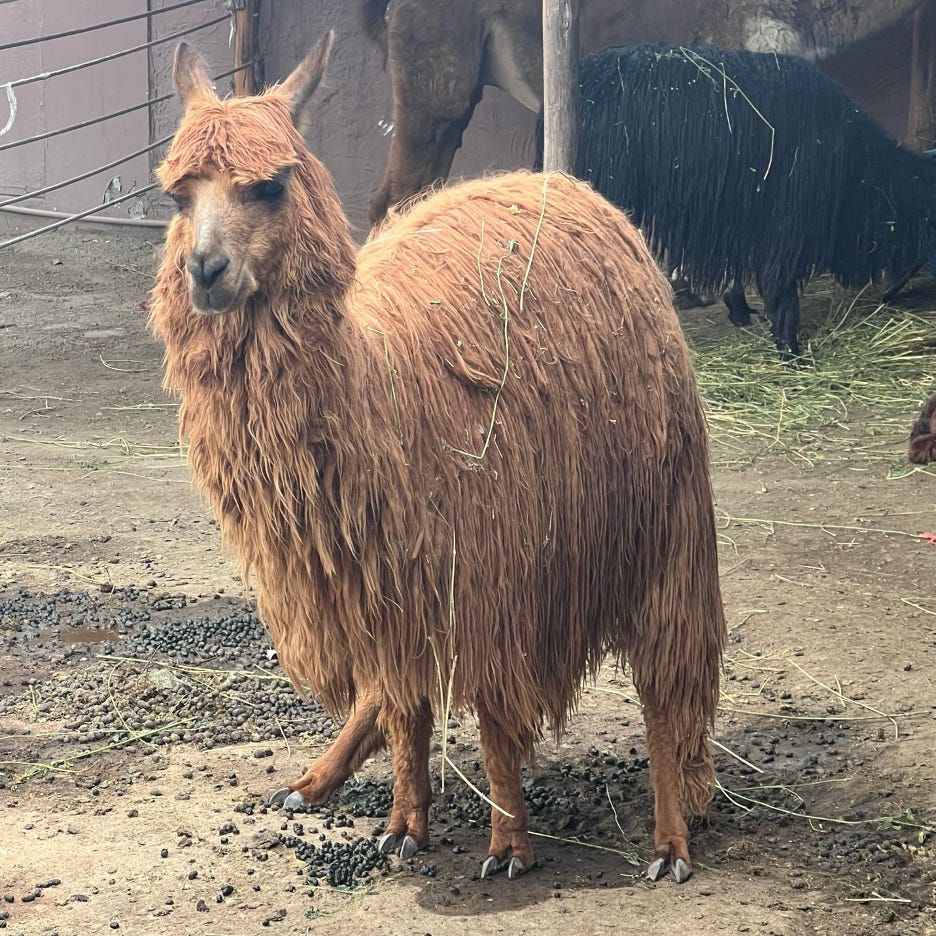
Suri wool fibers are straight, silky, and have a distinctive sheen. The fibers form long, lustrous locks that hang down the sides of the alpaca’s body. Suri wool has a slippery, silky feel compared to Huacaya wool. The smooth, shiny texture of Suri wool makes it suitable for high-end fabrics, such as luxurious woven garments, shawls, and dress fabrics. It's also used in the creation of fine yarns for knitting and crocheting delicate items. They are typically shorn once every two years due to slower fiber growth.
Guanacos are about the same height as lamas but are not domesticated and considered wild. They are protected. I have seen many roaming the steppes of Patagonia. Their wool is finer and softer than llama wool but coarser than vicuña wool.
Vicuñas are the smallest of the South American camelids. Their wool is extremely fine and highly prized for its softness and warmth. Expect to pay in the four figures for products made from their wool. They are wild animals and are protected. The wool is typically harvested from live animals through shearing in traditional indigenous rituals that are highly regulated.
Decide on Your Destination and Budget
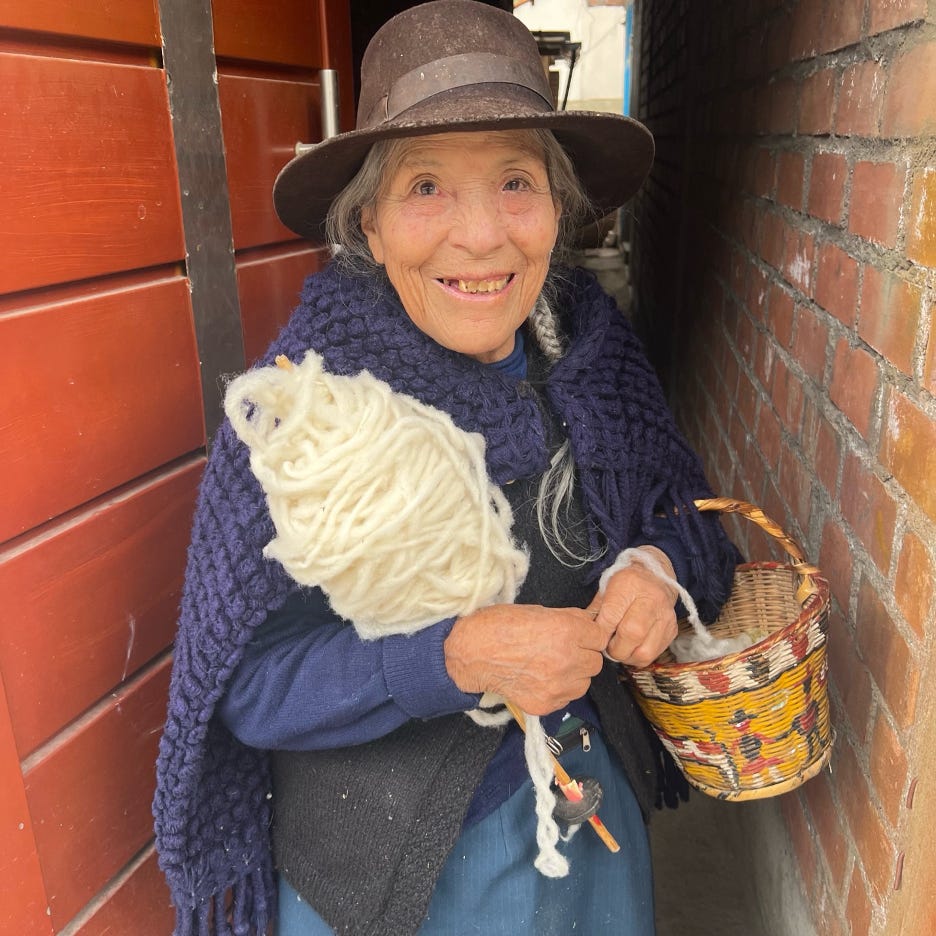
You can find genuine alpaca sweaters starting at about $100. What is sold at the open markets for less is usually a mix of something else, at best merino wool, at worst polyester. Personally, I did not manage to find good quality alpaca in Ecuador despite the assurances of the vendors on the Otavalo market, that what I was looking at pure baby alpaca at the bargain cost of $15. Cities like Cusco, Lima, and Arequipa are known for their markets and shops selling alpaca products. I liked Arequipa best. Good quality items are produced there, and the shops have excellent selections. I ended up buying my sweater in a shop and a matching scarf in a Cusco shop. I asked about the origin of the wool, the weaving process, and any cultural significance of the patterns. There are only a handful of chain stores that have outlets in all three cities. In the open market in Cusco, I bought a colorful sweater of questionable wool origin, but at $30 the price was right. Genuine alpaca items can range from $ 20 for socks to hundreds of dollars depending on quality and craftsmanship. Luxurious guanaco and vicuña wool are the softest I ever touched but out of my price range. In some stores, those precious items are kept behind glass.
Care Instructions
A lot of love went into producing the wool of these lovely fluffy animals. It requires special care. Hand wash in cold water or dry-clean to maintain its quality. Store in a cool, dry place away from direct sunlight to prevent damage.
Lovely to hear from you Alexandra!
I hope you and Jesse are well. I think you would enjoy the sacred valley where a lot of Alpaca wool is processed. But I think online is not a bad place to buy. Sometimes what is sold in the country can be more random and geared to the tourist trade.
I have to confess I almost wanted to ask to visit you last summer in the Carolinas as the political atmosphere was unbearable where I am on Long Island. I get the impression you live a more sustainable lifestyle there. Now I am better. I stayed for three weeks in an Amazonian Indigenous shipibo community getting more exposure to Ayahuasa.
Warm regards to Jesse as well! Greetings from Lima
Helene
Greetings from Guadalajara :)
What a great guide, I never knew there were so many camelids! Jesse and I have become OBSESSED with alpaca wool, and bought a few blankets and sweaters online. I'd love to travel and meet the camelids, as well as shop in person!